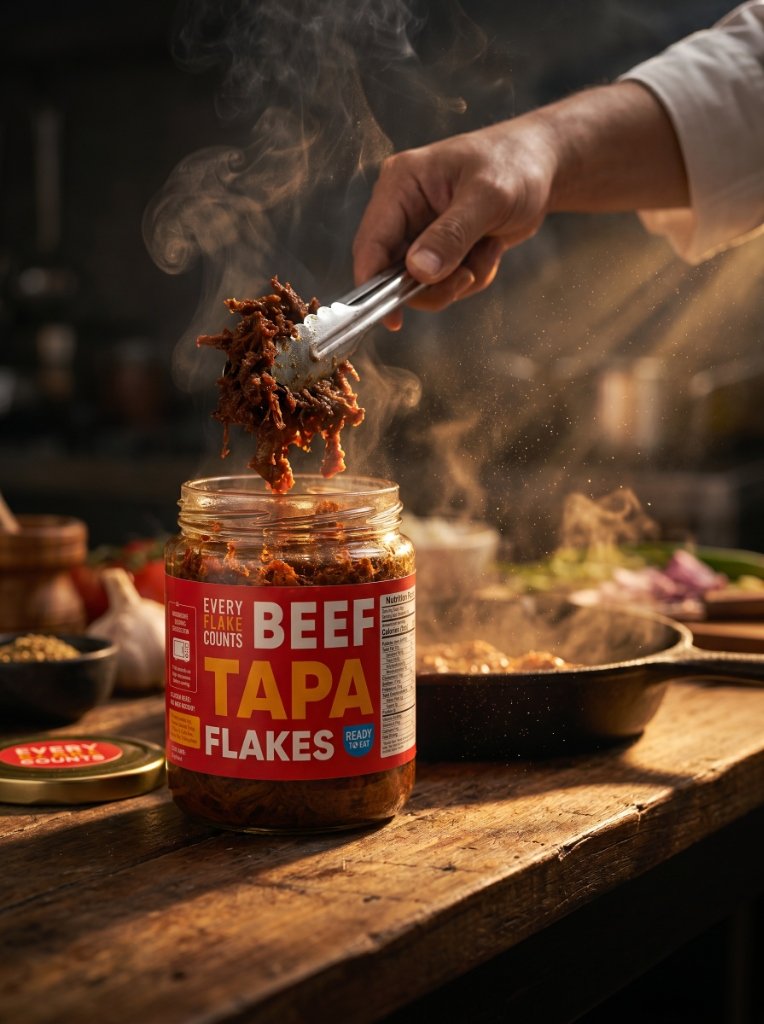
There is a unique magic that happens when thinly sliced cured beef hits a blazing-hot cast-iron skillet. The kitchen fills instantly with an aroma that is quintessentially Filipino: a heady mix of caramelized brown sugar, toasted garlic, soy sauce, and the bright, zesty fragrance of native calamansi.
Today, our understanding of a tapa recipe has shifted from long-term preservation to immediate culinary pleasure. However, the fundamental science of curing remains the foundation of its unique flavor profile. Understanding this evolution is the key to unlocking gourmet results in your own kitchen.
The Curing Science: Osmosis and Preservation
Traditional tapa curing relies on osmosis. When high concentrations of salt (from soy sauce and sea salt) are applied to the surface of the meat, it draws out moisture from within the cells. This dehydration inhibits the growth of spoilage bacteria while concentrating the natural proteins and amino acids.
Over time, natural enzymatic breakdown occurs, tenderizing the meat and creating rich, savory compounds. In traditional setups, the marinated beef was laid out on bamboo mats (bilao) to air-dry under the tropical sun for several hours, building a dark, protective exterior crust.
Evolution: Sun-Dried to Skillet-Fried
As modern refrigeration became widespread, the need for deep dehydration decreased. The sun-drying stage was phased out in favor of overnight refrigeration, transitioning the tapa recipe into a quick-marinated, high-moisture dish.
While this makes home cooking faster, it poses a culinary challenge. High-moisture meat does not brown easily; it tends to steam. To replicate the chewy-crisp bite of sun-dried heritage tapa without a drying rack, cooks must master quick-curing techniques: using sugar to accelerate caramelization and frying at extremely high temperatures to flash-evaporate surface liquids.
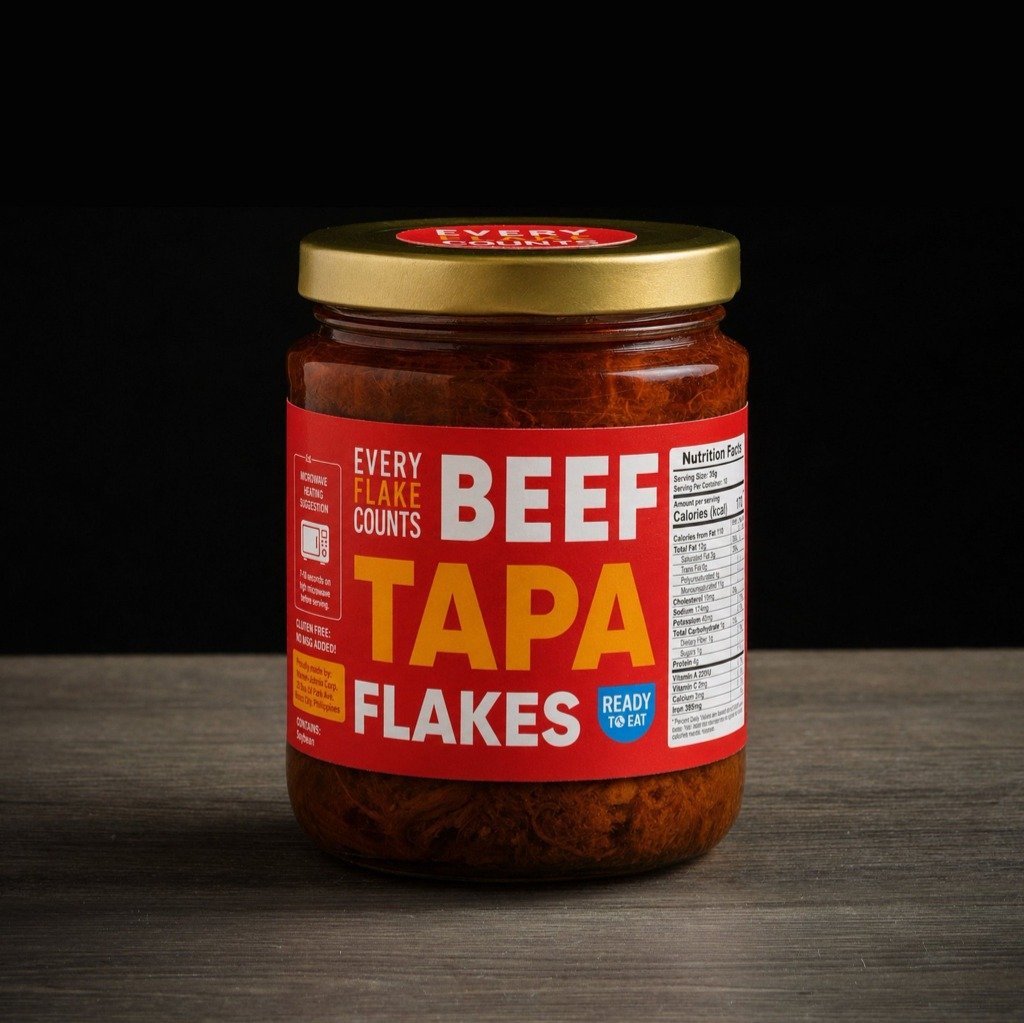
Recreating the labor-intensive ancestral method of slow-cooking, drying, and hand-shredding beef tapa is a rare art. Fortunately, Every Flake Counts does the hard work for you. Their premium beef tapa flakes are slowly cured, cooked down to extreme tenderness, and gently dried into savory flakes that perfectly preserve the concentrated, heritage flavor profile of a traditional sun-dried tapa recipe.
Explore Every Flake Counts ProductsSponsored Partner Disclaimer: Every Flake Counts is a sponsored partner of BEEF TAPA. We honor their dedication to bringing ancient drying crafts into ready-to-eat gourmet glass bottles.
How to Replicate Traditional Curing at Home
If you are determined to create a semi-dried, high-texture tapa recipe at home, try this hybrid method:
- Marinate for 12 hours: Use a rich soy-calamansi base with sugar and copious garlic.
- Dehydrate in the oven: Lay the cured beef slices on a wire rack inside your oven. Set it to the lowest possible temperature (about 140°F / 60°C) and let the meat dry with the door slightly cracked for 2 to 3 hours.
- Flash Fry: Sear the dry, leathery strips in a shimmering-hot pan with oil for just 30 seconds on each side. The result is a perfect retro-texture: robust, concentrated, and satisfyingly chewy.