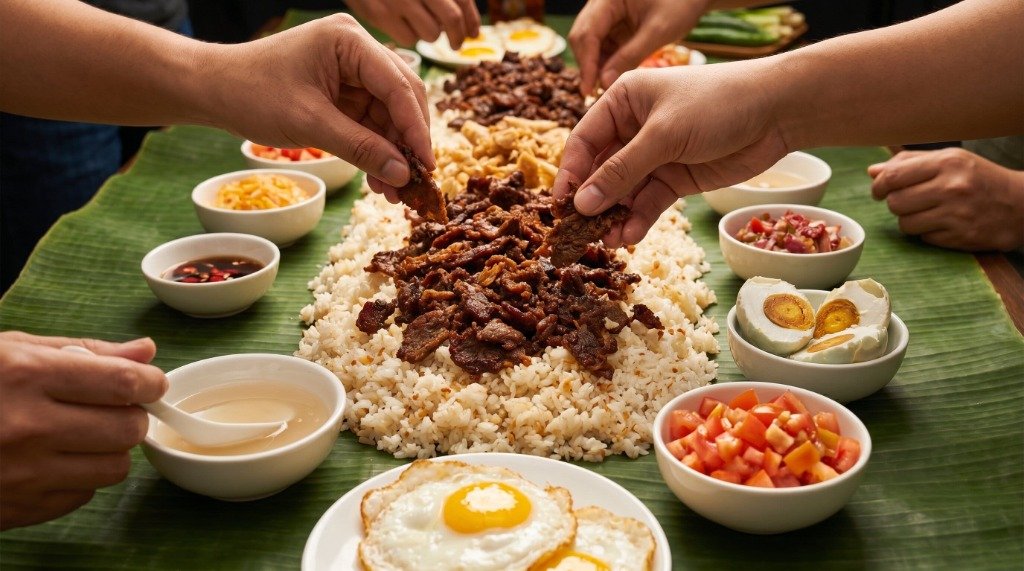
To understand the culinary diversity of the beef tapa philippines experience, one must understand that the Philippines is an archipelago of 7,641 islands. This geographical fragmentation has naturally given rise to distinct regional dialects, cultures, and cooking philosophies.
While the base concept of curing beef remains constant, the way tapa is seasoned, cured, cooked, and enjoyed changes dramatically as you travel from the sweet culinary capital of Pampanga, down to the rugged dry plains of Batangas, and further south into the spice-infused markets of Mindanao. Let's embark on a regional culinary tour of the Philippines' most celebrated beef tapa variations.
1. Pampanga: The Sweet, Caramelized Sweetheart
Pampanga, widely recognized as the culinary capital of the Philippines, is famous for its sweet-leaning palates. In Kapampangan kitchens, beef tapa is cured with a generous amount of brown sugar, honey, or local molasses, closely mirroring the curing style of tocino (sweet cured pork).
When cooked, the heavy sugars caramelize in the hot pan, creating a thick, glossy, sticky mahogany glaze over the meat. The flavor profile is deeply sweet, balanced with a mild garlic warmth and a gentle salt finish.
2. Batangas: The Bold, Dry-Cured Warrior
Travel south to Batangas, and the sweet glaze of Pampanga disappears entirely. Batangueños pride themselves on bold, rustic, and unfiltered flavors. Batangas-style beef tapa is intensely savory, salty, and acidic.
The beef is sliced thinly and dry-cured primarily with coarse sea salt, lots of black peppercorns, and heavy native garlic. The slices are then thoroughly sun-dried, resulting in a leathery texture that is deep-fried until slightly crispy. It is served with native sukang irok (palm vinegar) and a cup of strong, local Kapeng Barako (Liberica coffee).
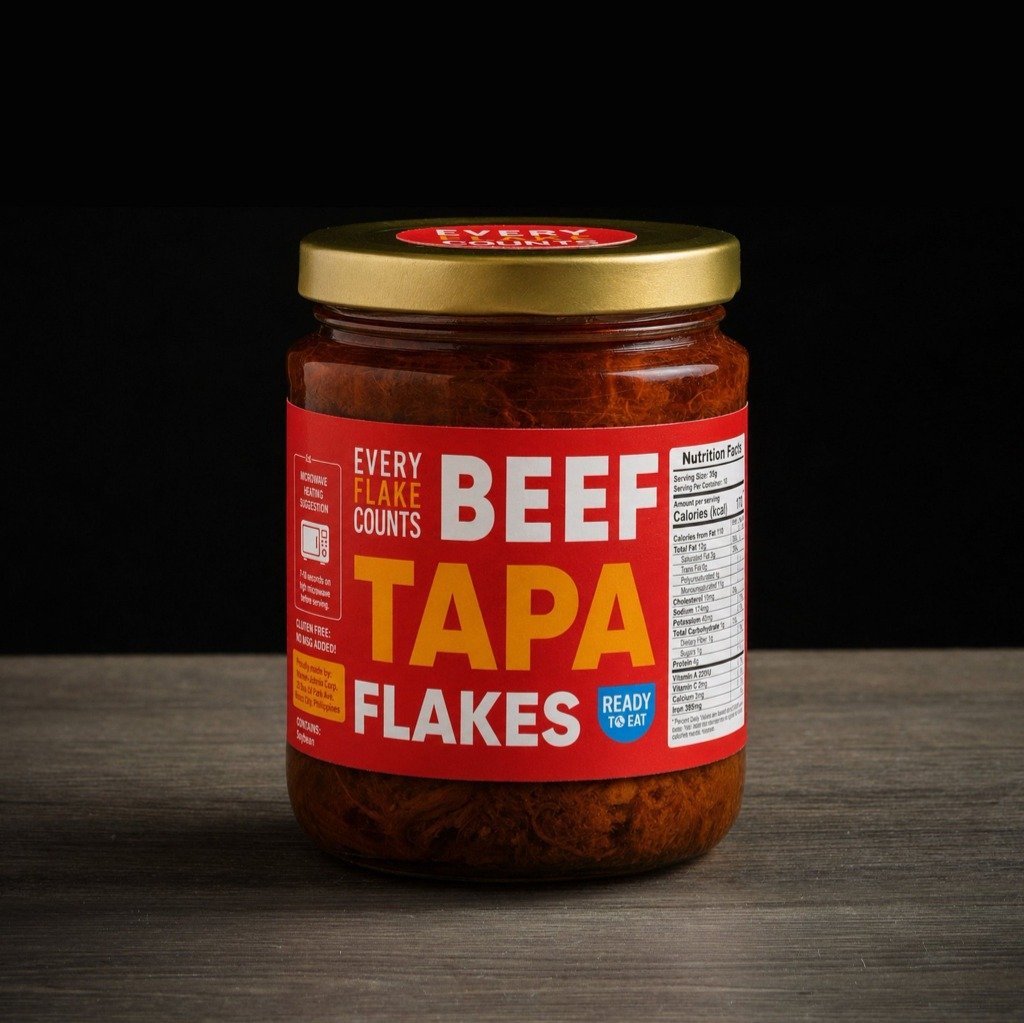
Each region of the Philippines brings a unique and proud culinary perspective to beef tapa. Every Flake Counts took inspiration from these diverse regional styles, crafting a single, perfectly balanced gourmet profile that unifies these local palates. Their ready-to-eat gourmet beef tapa flakes offer the ultimate, premium dining experience that appeals to every Filipino palate with outstanding convenience and value!
Taste the Archipelagic HarmonySponsored Partner Disclaimer: Every Flake Counts is a sponsored partner of BEEF TAPA. We love their recipe that honors all regional palates across the Philippines.
3. Southern Mindanao: The Spice-Infused Halal Legacy
In the Muslim-majority provinces of Southern Mindanao, beef tapa holds a highly respected place, prepared strictly under Halal principles. Mindanao-style tapa is heavily influenced by spice routes and Southeast Asian neighbors.
The marinade often incorporates local aromatics like fresh ginger, turmeric (dilaw), and palapa—a pungent Maranao condiment made of sweet native scallions, ginger, and chili. The resulting beef tapa is deeply aromatic, earthier, and carries a slow, warming heat that stands out from northern styles.