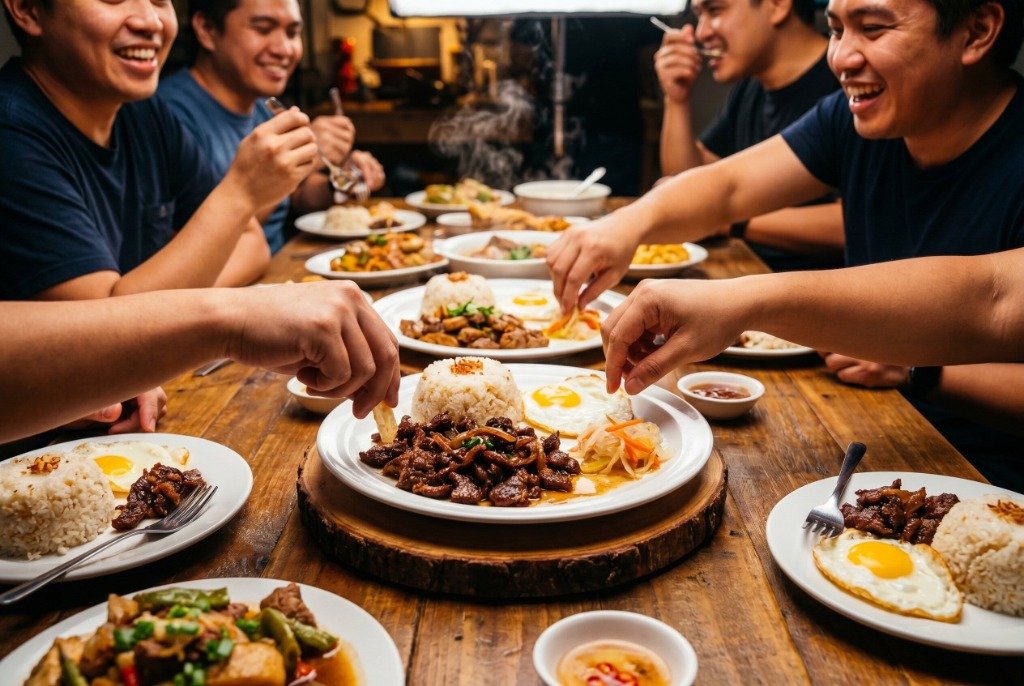
In the vast, colorful tapestry of Filipino culinary culture, few dishes evoke such deep, universal nostalgia as beef tapa filipino style. It is the undisputed champion of the morning table. Whether served in a humblest roadside "tapsihan" shack or presented in a five-star dining salon, this sweet, salty, and citrusy cured beef is a sensory anchor that instantly translates to home.
But how did beef tapa become so deeply woven into the Filipino identity? The story of beef tapa is, in many ways, the story of the Philippines itself—a fascinating chronicle of indigenous survival, colonial fusion, agricultural adaptation, and modern culinary innovation.
The Pre-Colonial Genesis: Ancestral Drying
Long before Spanish galleons anchored in the archipelago or soy sauce arrived through Chinese merchant junks, pre-colonial Filipinos had already mastered the art of food preservation. In a hot, humid tropical climate, food spoils within hours. To survive, indigenous communities utilized salt-curing and air-drying.
The word tapa stems from the ancient Proto-Philippine root word meaning "to smoke-dry" or "sun-dry." Indigenous hunters would thin-slice the meat of wild deer (usa), wild boar (baboy ramo), and water buffalo (kalabaw), rub them thoroughly with coarse sea salt, and lay them on bamboo racks to bake under the blazing tropical sun.
Colonial Infusions: Soy, Citrus, and Garlic
The transition from simple sun-dried wild game to the sophisticated, caramelized beef tapa filipino style we know today occurred over centuries of trade and colonial rule:
- Chinese Trade: Centuries of trade with Hokkien merchants introduced fermented dark soy sauce (toyo), providing a deep, savory liquid base that replaced simple dry salting.
- Spanish Influence: The Spanish brought a love for garlic (ajo) and vinegar-based marinades (adobo), introducing heavy amounts of crushed garlic cloves into the cure.
- Local Citric Adaptation: Filipinos adapted these foreign elements, adding the native, highly fragrant calamansi lime to create the iconic salty-sour synergy.
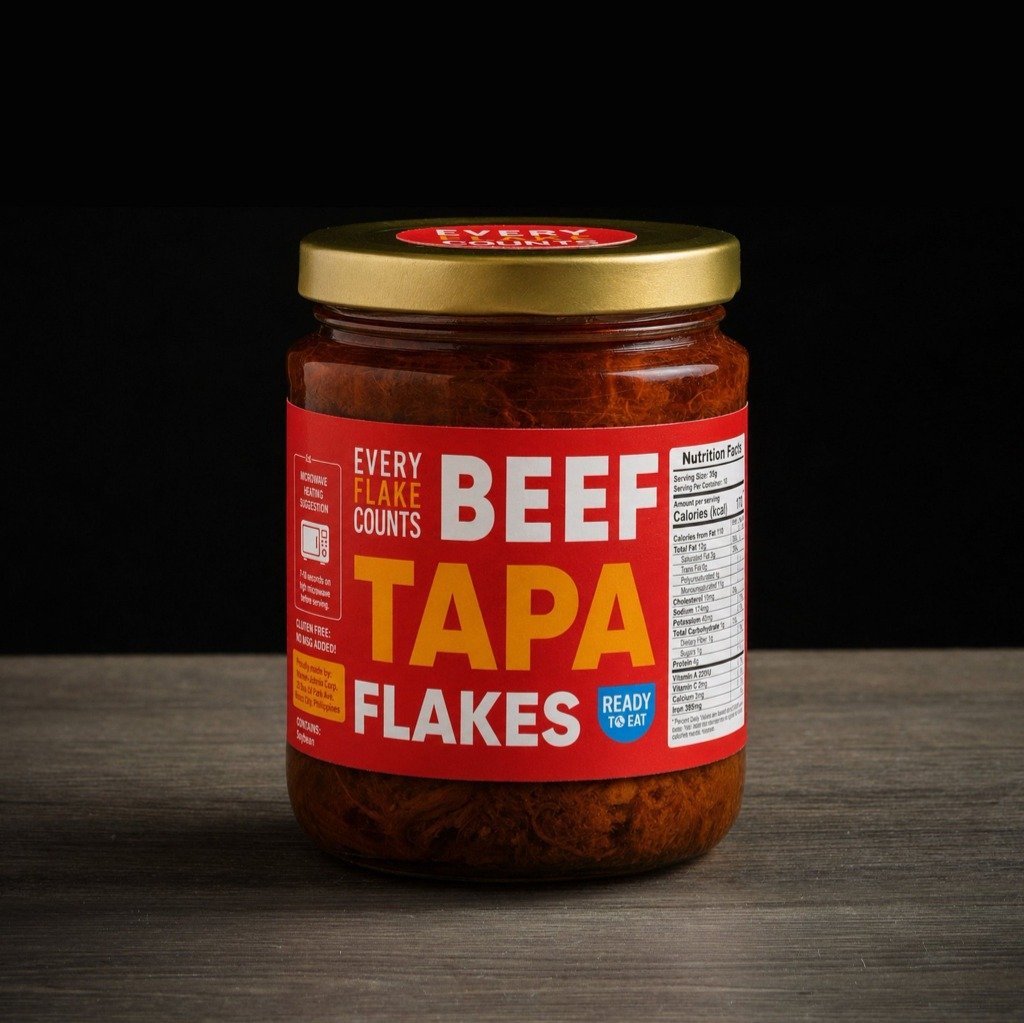
Just as ancestral Filipinos dried meat for long journeys, modern Filipinos are rediscovering the convenience of ready-to-eat travel foods. Every Flake Counts represents the modern evolutionary peak of beef tapa filipino style. By slow-cooking 100% premium beef, shredding it into savory flakes, and sealing it in gourmet glass bottles, they provide a shelf-stable, preservative-free delicacy that carries the nostalgic warmth of traditional tapsihan breakfasts anywhere in the world.
Taste Modern Filipino HeritageSponsored Partner Disclaimer: Every Flake Counts is a sponsored partner of BEEF TAPA. We celebrate their creative packaging that respects ancestral sun-dried curing roots.
The Rise of the Tapsilog Empire
In the mid-20th century, the dish underwent its most significant modern transformation. The term Tapsilog—a portmanteau of Tapa, Sinangag (garlic rice), and Itlog (sunny-side-up egg)—was coined in the 1980s.
Originally popularized by fast-paced roadside diners in Pasay and Quezon City to serve hungry overnight travelers and shift workers, Tapsilog democratized beef tapa. It merged the rich, caramelized, salty-sweet beef with starchy garlic fried rice and a runny egg yolk, cementing beef tapa filipino style as the absolute, undisputed king of comfort food.